
Call us now :07971190807
 Send Inquiry
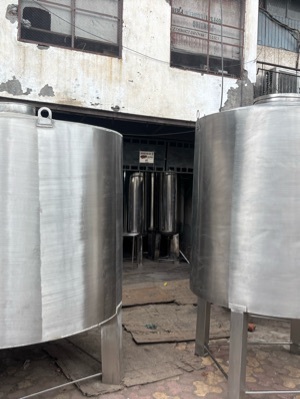
Industrial Water Chiller
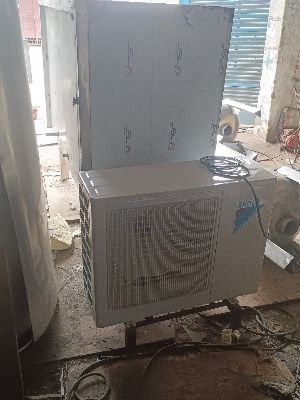

Industrial Water Chiller Specification
- Type
- Milk Production Plant, Dairy Production Machine, Dairy Milk Plant Machinery
- Capacity
- 500 Liter/day
- Weight (kg)
- 300 Kilograms (kg)
- Computerized
- No
- Automatic
- Yes
- Control System
- Other
- Cleaning System
- Other
- Sterilization Method
- Other
- Voltage
- 220 Volt (v)
- Color
- Stainless Steel
Industrial Water Chiller Trade Information
- Minimum Order Quantity
- 1 Piece
- FOB Port
- Noida India
- Supply Ability
- 2 Pieces Per Week
- Delivery Time
- 4 Days
- Main Export Market(s)
- Asia, Australia, Central America, North America, South America, Eastern Europe, Western Europe, Middle East, Africa
- Main Domestic Market
- All India
About Industrial Water Chiller
A refrigeration system called an industrial water chiller is utilised in many industries to cool water for applications including process cooling. For the purpose of removing heat from the water and preserving the desired temperature, it has a compressor, evaporator, condenser, and expansion valve. Precision temperature control is offered by industrial water chillers, which improves process effectiveness and equipment safety. They are built with energy efficiency in mind, which saves money and has a smaller negative impact on the environment. Industries include manufacturing, chemical processing, plastics, food and beverage production, and HVAC systems all use water chillers. They provide dependable and effective cooling solutions for industrial settings, ensuring peak performance, cutting downtime, and encouraging sustainable operations.
Here are some characteristics and advantages of commercial water chillers:
Features of Industrial Water Chiller:
1. Compressor: The refrigerant in water chillers is compressed and circulated throughout the system by compressors, which improves heat transmission.
2. Evaporator: By absorbing heat from the water, the evaporator forces the refrigerant to evaporate, cooling the water.
3. Condenser: The condenser allows the refrigerant to liquefy and finish the refrigeration cycle by releasing heat from it.
4. Expansion Valve: An expansion valve regulates the refrigerant's flow and pressure to provide effective cooling.
5. Control system: Water chillers often contain a control system with choices for modifying settings and alarm systems for temperature deviations for monitoring and maintaining the target water temperature.
Benefits of Industrial Water Chiller:
1. Temperature Control: Industrial water chillers give users the ability to maintain the correct water temperature for particular industrial processes through precise temperature control.
2. Process Effectiveness: Industrial processes that require temperature management, such as manufacturing, chemical processing, and cooling applications, are made more efficient and effective by chilled water from a water chiller.
3. Chillers assist protect delicate gear and equipment from overheating by delivering cool water, lowering the likelihood of equipment failure and downtime.
4. Modern water chillers are built with energy efficiency in mind, utilising cutting-edge parts and technologies to maximise cooling performance while minimising energy usage.
5. Cost Savings: By lowering energy consumption, enhancing process effectiveness, and lowering maintenance and repair costs, water chillers' efficient cooling can result in cost savings.
6. Environmental Impact: By lowering greenhouse gas emissions and encouraging wise energy use, water chillers with eco-friendly refrigerants and energy-saving features support environmental sustainability.
In many industrial sectors, industrial water chillers are essential because they provide dependable and effective cooling solutions for process cooling, equipment protection, and temperature control. In industrial contexts, their characteristics and advantages increase productivity, cut costs, and support sustainable operations.
Engineered for Dairy Excellence
Built to cater to the specific needs of milk production and dairy processing, this industrial chiller delivers reliable, automatic cooling. The stainless steel design assures durability and hygiene, crucial for the dairy industry. With a daily capacity of 500 liters, it streamlines operations for both small and medium-scale dairy plants.
Simplified Operation and Installation
No complex computerized system is needed, making the chiller user-friendly and straightforward to operate. Designed for easy integration into existing dairy processing lines, the unit comes with clear instructions for setup and minimal maintenance requirements, ensuring a smooth experience for operators and managers alike.
FAQ's of Industrial Water Chiller:
Q: How is the industrial water chiller used in a milk production plant?
A: The water chiller is integrated into the milk processing line to maintain a stable, low temperature for milk and dairy products. This prevents spoilage and maintains product quality throughout the manufacturing and storage stages.Q: What benefits does the automatic feature provide for dairy operations?
A: The automatic system ensures consistent cooling without the need for constant manual intervention. This enhances efficiency, reduces labor, and guarantees optimal temperature control for sensitive dairy products.Q: When should the industrial water chiller be operated during the dairy process?
A: The chiller should be operated whenever milk or dairy products require cooling, typically after pasteurization and during storage or before packaging. This ensures product safety and extends shelf life.Q: Where can this chiller be installed within a dairy plant?
A: This machine is designed for flexible installation and can be positioned near the milk processing or storage areas. It should be placed on a level surface with adequate space for ventilation and routine maintenance.Q: What is the process for connecting the chiller to a dairy production system?
A: Connection involves linking the chiller's inlet and outlet with the production line piping, ensuring proper water circulation. Detailed installation guidance is provided to ensure seamless integration with existing equipment.Q: What voltage requirements does the chiller have, and is it suitable for operations across India?
A: The chiller operates on a standard 220 Volt power supply, making it compatible with industrial power sources throughout India and suitable for a wide range of dairy processing facilities.Q: What are the key advantages of using a stainless steel water chiller in dairy operations?
A: Stainless steel construction ensures high levels of hygiene, corrosion resistance, and long-lasting durability-features essential for dairy production environments focused on safety and product integrity.Tell us about your requirement

Price:
Quantity
Select Unit
- 50
- 100
- 200
- 250
- 500
- 1000+
Additional detail
Mobile number
Email

More Products in Dairy Products Machinery Category
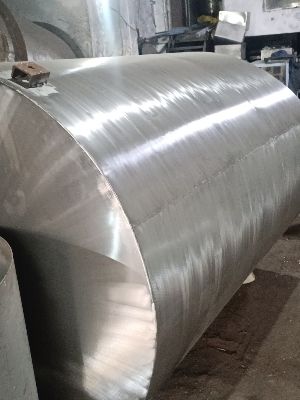
Pasteurized Milk Packing plant
Price 1000000.00 INR / Unit
Minimum Order Quantity : 1 Number
Automatic : No
Color : Stainless Steel
Product Type : Machine
Control System : Manual
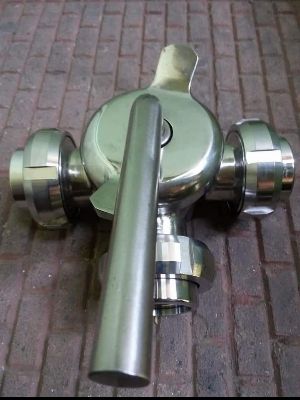
Stainless Steel Valves
Price 3500.00 INR / Piece
Minimum Order Quantity : 1 Number
Automatic : No
Color : Stainless Steel
Product Type : Pipe fitting
Control System : Manual
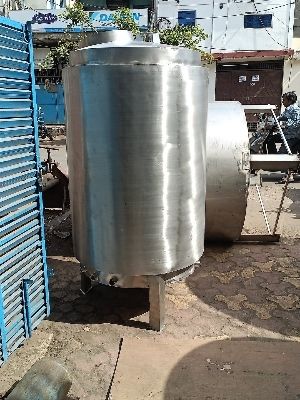
Milk Processing Plant
Price 50000.00 INR / Number
Minimum Order Quantity : 1 Number
Automatic : No
Color : Stainless Steel
Hakka Noodle Manufacturing Plants
Price 200000 INR / Unit
Minimum Order Quantity : 1 Unit
Automatic : No
Product Type : Hakka noodle manufacturering plant

 Send Inquiry
Our Products


Plot No 349, Sector-10, Noida - 201301, Uttar Pradesh, India

Sales Executive
(CEO )
Mobile :07971190807
 Send Inquiry
 Send SMS
Developed and Managed by Infocom Network Private Limited.
